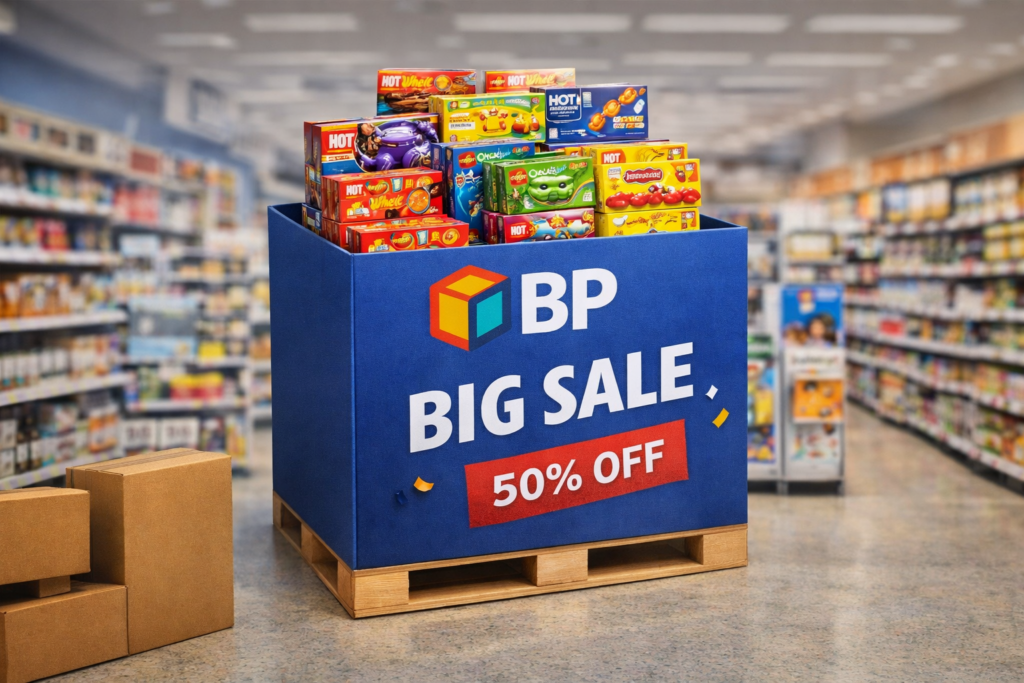
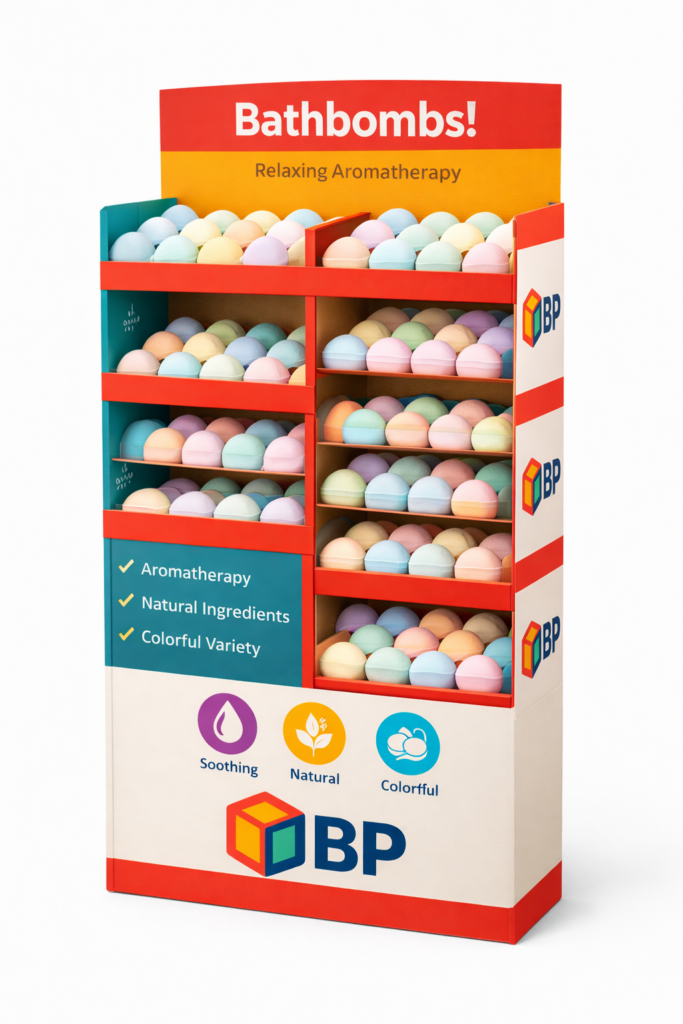
In the ever-evolving business landscape, packaging plays a crucial role in product protection, branding, sustainability, and customer experience. Over the years, packaging has transformed significantly—from simple traditional materials to innovative modern solutions designed to meet changing consumer demands and environmental expectations.
At BoxesPackage, we help businesses choose the right packaging solutions that balance functionality, aesthetics, cost, and sustainability. In this article, we compare traditional and modern packaging solutions to help you understand their advantages, limitations, and ideal applications.
What Is Traditional Packaging?
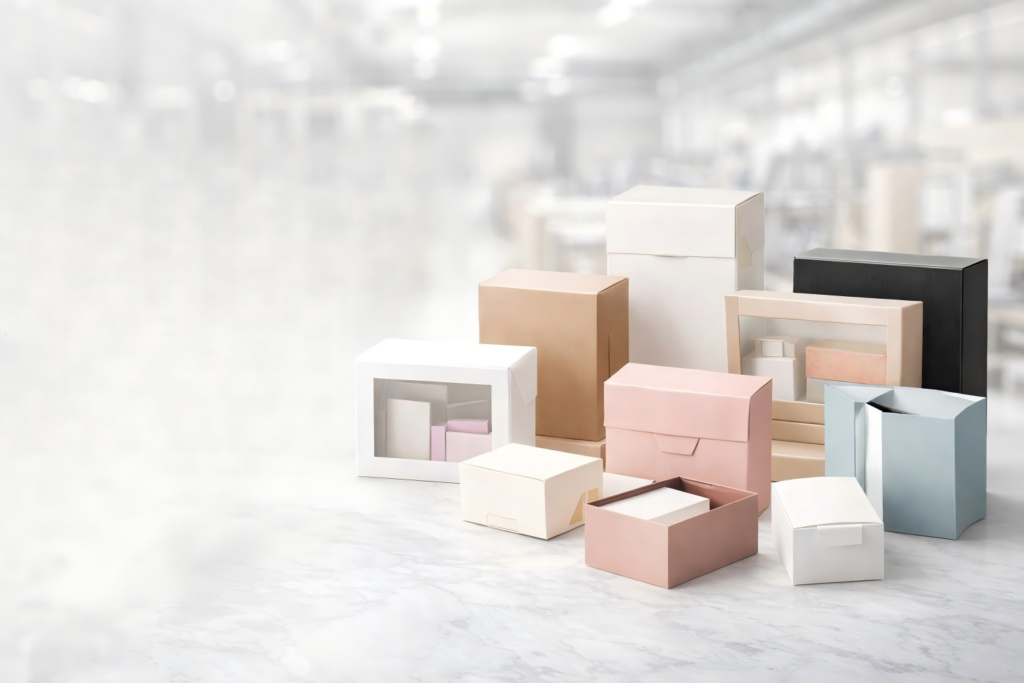
Traditional packaging refers to conventional materials and methods that have been widely used for decades. Common examples include:
- Plain corrugated cardboard boxes
- Wooden crates
- Glass containers
- Metal tins
- Plastic wrapping and bags
- Standard paper packaging
These packaging solutions were primarily designed for protection, transportation, and storage.
Advantages of Traditional Packaging
1. Proven Reliability
Traditional packaging materials have a long history of protecting products effectively during shipping and handling.
2. Cost-Effective
Standardized materials and production processes often make traditional packaging more affordable for large-scale manufacturing.
3. Wide Availability
Conventional packaging materials are easily accessible and compatible with most supply chains.
4. Strong Protection
Materials like corrugated cardboard, wood, and metal provide excellent durability and structural strength.
Limitations of Traditional Packaging
Despite their benefits, traditional packaging solutions also have several drawbacks:
- Limited branding opportunities
- Less visually appealing designs
- Higher environmental impact in some cases
- Bulkier packaging structures
- Less adaptability to modern retail and e-commerce needs
For example, excessive plastic usage and non-recyclable materials have become major concerns among consumers and regulators.
What Is Modern Packaging?
Modern packaging combines innovative materials, advanced technology, sustainable practices, and creative design to enhance both functionality and customer experience.
Examples include:
- Smart packaging with QR codes or NFC technology
- Eco-friendly corrugated boxes
- Biodegradable and compostable materials
- Custom luxury rigid boxes
- Minimalist packaging designs
- Digital printing and personalization
- E-commerce optimized packaging
Modern packaging is designed not only to protect products but also to strengthen brand identity and improve consumer engagement.
Advantages of Modern Packaging
1. Enhanced Brand Identity
Modern packaging offers greater customization through digital printing, premium finishes, and unique structural designs.
Brands can create memorable packaging that stands out on shelves and online.
2. Sustainability Benefits
Many modern packaging solutions prioritize environmental responsibility through:
- Recyclable materials
- FSC-certified paper
- Reduced plastic usage
- Compostable packaging
- Lightweight designs that reduce shipping emissions
At BoxesPackage, sustainability is a key focus in our packaging development process.
3. Improved Customer Experience
Features such as easy-open designs, magnetic closures, custom inserts, and premium finishes create a more engaging unboxing experience.
This is especially important in e-commerce, where packaging plays a major role in customer satisfaction.
4. Smart Technology Integration
Modern packaging can include interactive elements like QR codes, augmented reality, product authentication, and tracking features, helping brands connect directly with consumers.
5. Better E-Commerce Performance
Modern packaging is often designed specifically for online shipping, offering:
- Right-sized packaging
- Enhanced product protection
- Reduced shipping costs
- Easy return functionality
Limitations of Modern Packaging
While modern packaging offers many advantages, it also comes with some challenges:
- Higher initial design and production costs
- More complex manufacturing processes
- Potential need for specialized equipment
- Longer development timelines for custom solutions
However, many businesses find that the long-term branding and customer engagement benefits outweigh the initial investment.
Traditional vs. Modern Packaging: A Side-by-Side Comparison
| Factor | Traditional Packaging | Modern Packaging |
|---|---|---|
| Primary Focus | Protection and transport | Branding, sustainability, experience |
| Customization | Limited | Highly customizable |
| Sustainability | Varies by material | Often eco-friendly |
| Visual Appeal | Basic and functional | Premium and creative |
| Technology Integration | Minimal | Advanced smart features |
| E-Commerce Suitability | Standard protection | Optimized for online shipping |
| Customer Experience | Functional | Engaging and memorable |
| Cost | Generally lower | Can be higher initially |
Which Packaging Solution Is Right for Your Business?
The best packaging choice depends on your industry, target audience, budget, and brand goals.
Traditional Packaging May Be Ideal For:
- Industrial and bulk products
- Heavy-duty shipping needs
- Businesses prioritizing low-cost packaging
- Products with minimal branding requirements
Modern Packaging May Be Ideal For:
- Premium and luxury products
- E-commerce brands
- Environmentally conscious businesses
- Companies focused on branding and customer experience
- Products targeting younger or design-driven consumers
In many cases, businesses benefit from a hybrid approach—combining the durability of traditional materials with the design and sustainability advantages of modern packaging.
How BoxesPackage Can Help
At BoxesPackage, we offer both traditional and modern packaging solutions tailored to your specific needs.
Our services include:
- Corrugated box manufacturing
- Luxury rigid box production
- Sustainable packaging solutions
- Custom structural design
- Digital printing and premium finishes
- E-commerce packaging optimization
- Global production and shipping support
Our team works closely with businesses to develop packaging that protects products, enhances brand identity, and meets modern market expectations.
Conclusion
Packaging has evolved from a purely functional necessity into a strategic business asset. Traditional packaging remains valuable for durability and cost-efficiency, while modern packaging offers enhanced branding, sustainability, and customer engagement opportunities.
As consumer expectations continue to change, businesses that embrace innovative packaging solutions will be better positioned to stand out in competitive markets.
Whether you need reliable traditional packaging or cutting-edge modern designs, BoxesPackage is committed to delivering high-quality solutions that support your brand’s growth and success.