When it comes to protecting children from potential hazards in the home, product safety terminology matters more than many people realize. Words like “child-resistant” and “child-proof” are often used interchangeably in everyday conversations, yet they represent very different levels of protection. Misunderstanding these terms can lead to unrealistic expectations and, in some cases, increased safety risks.
For parents, caregivers, and even manufacturers, knowing the difference between child-resistant and child-proof is essential for making informed decisions. In this article, we’ll explore what each term truly means, how they are used in real-world applications, and what practical steps can be taken to enhance child safety beyond product labeling.
Understanding Child-Resistant Products
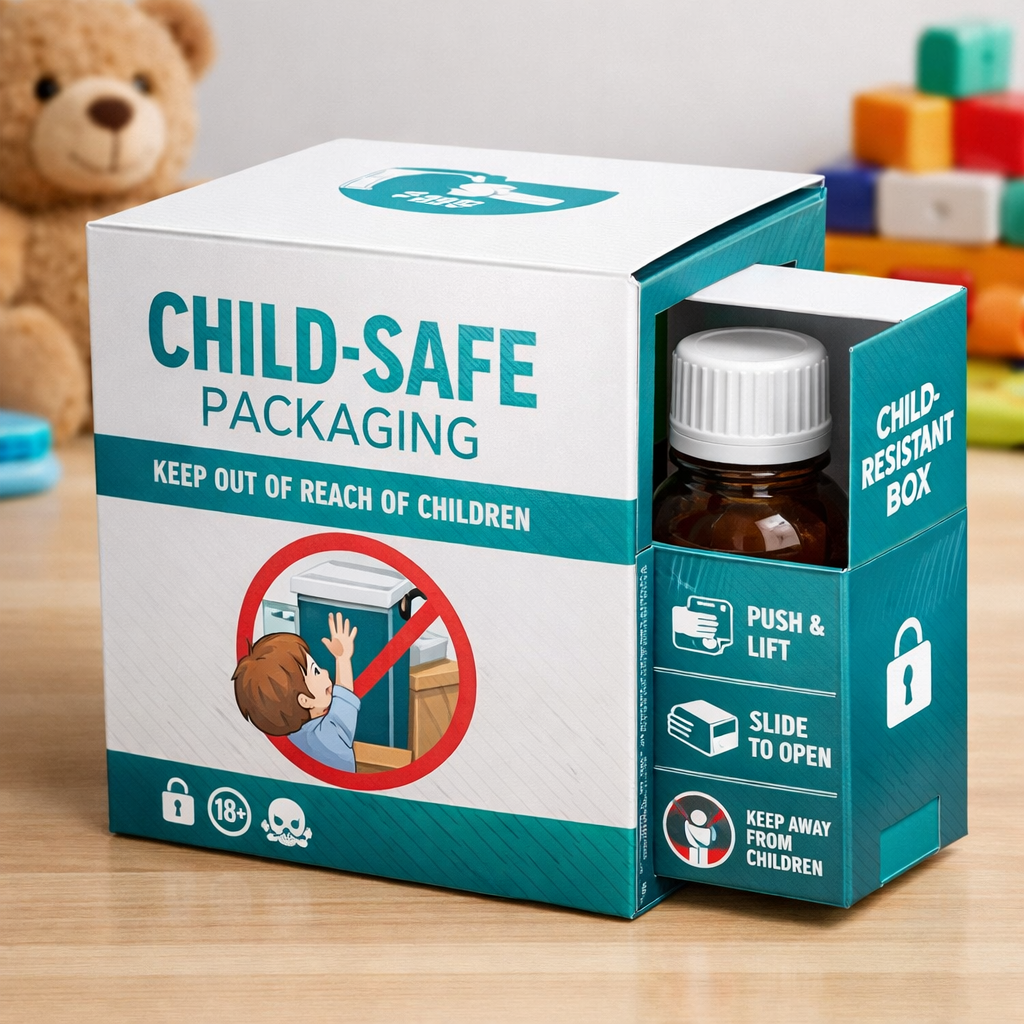
Child-resistant packaging or products are specifically designed to reduce the likelihood that children—typically under the age of five—can access potentially dangerous contents. The key point is that child-resistant does not mean impossible to open; rather, it means that opening the product requires a level of strength, coordination, or understanding that most young children do not possess.
Common Examples of Child-Resistant Designs
Child-resistant features are widely used in industries such as pharmaceuticals, household chemicals, and personal care products. Common mechanisms include:
- Push-and-Turn Safety Caps
Frequently found on medicine bottles, these caps require users to push down while twisting. This coordinated action is difficult for most young children but manageable for adults. - Squeeze-and-Twist Closures
Often used for cleaning products or chemical containers, these closures require pressure in specific areas while turning the cap. - Multi-Step Opening Systems
Some products require multiple actions in sequence, such as pressing a hidden button while sliding or lifting a lid.
Regulatory Standards and Testing
Child-resistant packaging is not just a design choice—it is often regulated. In the United States, for example, standards are set by the Consumer Product Safety Commission (CPSC). Packaging must undergo testing in controlled environments where groups of children attempt to open the container within a specific time frame.
If a statistically significant percentage of children fail to open the package, it qualifies as child-resistant. Importantly, these standards also include adult usability tests to ensure that older adults can still open the packaging without excessive difficulty.
What Does “Child-Proof” Really Mean?
The term child-proof suggests an absolute level of protection—something that no child could ever open or bypass. In theory, child-proof products would provide complete security against all forms of child access. In reality, this level of certainty is nearly impossible to guarantee.
Children vary widely in strength, dexterity, curiosity, and problem-solving skills. As they grow, they often find unexpected ways to defeat safety mechanisms. Because of this, most safety experts, regulators, and manufacturers avoid using the term “child-proof.”
Why “Child-Proof” Is Rarely Used Officially
- No system is completely foolproof
Given enough time or creativity, a determined child may find a way to overcome almost any barrier. - Legal and regulatory concerns
The word “proof” implies a guarantee. If a child manages to access a supposedly child-proof product, manufacturers could face legal and ethical challenges. - False sense of security
Labeling something as child-proof may lead caregivers to be less vigilant, increasing overall risk.
As a result, “child-proof” is more commonly used in informal conversation rather than in official product descriptions or safety standards.
Child-Resistant vs. Child-Proof: Key Differences
While the two terms sound similar, their implications are very different:
| Aspect | Child-Resistant | Child-Proof |
|---|---|---|
| Level of Security | Reduces risk | Claims absolute protection |
| Regulatory Standards | Yes | No universal standards |
| Realistic Expectation | Difficult for children to open | Nearly impossible in theory |
| Common Usage | Widely used and regulated | Rarely used officially |
Understanding these differences helps consumers set realistic expectations and encourages safer behavior overall.
Practical Implications for Parents and Caregivers
Even the best-designed child-resistant product is only one layer of protection. Real safety comes from combining proper packaging with responsible habits.
Medications and Chemicals
- Always choose products with certified child-resistant packaging.
- Store medicines, cleaning supplies, and chemicals out of reach and out of sight.
- Never rely solely on packaging—secure storage is critical.
Home and Furniture Safety
Many household dangers are unrelated to packaging. For example:
- Anchor heavy furniture and TVs to walls.
- Use safety gates to block stairways.
- Install cabinet locks for items that do not come in child-resistant containers.
Toys, Tools, and Small Objects
- Store sharp tools, batteries, and small choking hazards in locked or child-resistant storage.
- Regularly inspect play areas for overlooked hazards.
The Role of Manufacturers in Child Safety
Manufacturers play a vital role in reducing risks through thoughtful design and clear communication. Ongoing innovation in child-resistant mechanisms helps adapt to the evolving abilities of children. Equally important is honest labeling—clearly explaining what a product can and cannot do in terms of safety.
Educating consumers about proper usage, limitations, and complementary safety measures ensures that child-resistant designs are used effectively rather than misunderstood.
Conclusion
While the idea of a completely child-proof product is appealing, it is largely unrealistic. Child-resistant designs, when properly tested and used as intended, significantly reduce the risk of accidental exposure to dangerous items—but they are not a substitute for supervision and safe storage.
For parents and caregivers, the most effective approach to child safety is a layered one: combine certified child-resistant products with responsible storage practices, home safety measures, and active supervision. By understanding the true difference between child-resistant and child-proof, families can make smarter choices and create safer environments for children to grow and explore.